
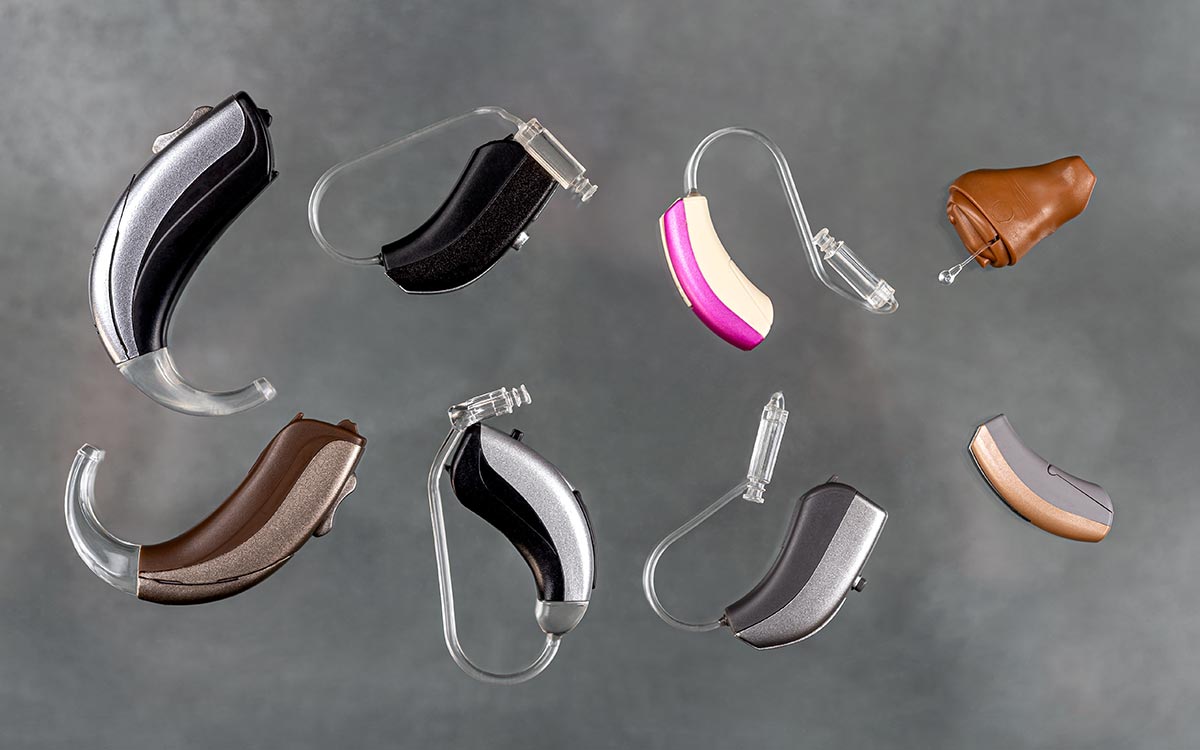
The total amount of hearing aid designs and technology levels on the market today can make the selection process feel complicated. Rest assured that there is a hearing device tailored to every lifestyle and degree of impairment. It’s all about discovering which model aligns perfectly with your specific requirements.
Gaining an accurate picture of common hearing aid categories will empower you to make an educated decision for your hearing health. We are planning to analyze the primary styles available today to help you understand what sets each option apart.
The ITC (In-the-Canal) Style Explained
Basic Overview:
ITC models are custom-fitted to sit within the ear canal, though a small part of the shell remains visible in the ear’s outer portion.
Key Selling Features:
- Offers a smaller profile than bulkier behind-the-ear units
- Custom-molded for ease
- Designed to address low to moderate hearing impairments
ITC devices offer an excellent equilibrium between visibility and functionality, making them an ideal choice for first-time users.
Ultra-Discreet IIC Devices
How they function:
IIC models are the most miniature custom-fitted auditory solutions you can choose. These devices sit so far inside the ear that they are nearly impossible to see.
Primary Motivations:
- Maximum cosmetic discretion
- Provides authentic audio because of where the device sits
- So light and small that users frequently forget they are wearing them
IIC devices are primarily aimed at patients with moderate hearing needs who want their technology to remain completely unnoticed.
Full and Half-Shell ITE Options
Product Details:
ITE devices are built to reside in the outer ear area, offering two different shell sizes based on your anatomy. These are custom-fabricated for an exact fit based on your ear’s anatomy.
Why users select them:
- The bigger size makes it possible to include more internal components and longer-lasting batteries
- Great for individuals who find smaller devices hard to manipulate
- Suitable for mild to severe hearing loss
The all-in-one nature of the ITE style makes it a favorite for those who dislike behind-the-ear equipment.
Exploring BTE Designs
Description:
A BTE hearing aid is worn externally behind the ear for an optimal fit. Audio is sent through an ultra-fine tube or a personalized mold in the canal.
Common Motivations:
- Offers an enduring and versatile solution for various environments
- Useful for nearly every level of hearing impairment
- The size provides plenty of space for the latest connectivity features and rechargeable hardware
BTE devices are an excellent choice for individuals seeking reliability, ease of use, and strong amplification.
Receiver-in-Canal (RIC) Hearing Aids
Design Specs:
RIC hearing aids look similar to BTE models, but the speaker (receiver) sits inside the ear canal rather than inside the device behind the ear.
Why people choose them:
- Highly natural sound quality
- Small, feather-light, and comfortable
- An adaptable choice that works for various degrees of auditory needs
The combination of style and high-end functionality makes RIC models an ideal choice in the modern market.
Extended-Wear Hearing Aids
Operational Info:
Extended-wear models are fixed devices that an expert fits into the ear for a duration of several weeks.
The Draw:
- Provides a hassle-free experience with no daily maintenance required
- They are virtually hard for others to notice because of their depth
- You can go about your whole life—including sports and rest—while wearing them
For an autonomous approach to hearing assistance, extended-wear technology is the top recommendation.
Smart Hearing Aids with Wireless
Tech Specs:
These are modern units fitted with radio technology to sync with your personal electronics and televisions.
Why users select them:
- Turn your hearing aids into cordless earphones for all your favorite audio
- Gives you the power to adjust your volume and programs via an electronic app
- Perfectly matched for the requirements of a tech-savvy, connected individual
Most contemporary RIC, BTE, and ITC hearing aids currently provide an advanced version.
Understanding Middle-Ear Implant Systems
Procedure Info:
This technology requires a surgical procedure to place a device that physically stimulates the bones of the middle ear.
Who they are serving:
- Serves as a critical alternative for those who find no success with traditional amplification
- Pleasant alternative for chronic ear issues related to traditional devices
Middle-ear implants are typically suggested only after an exhaustive evaluation by a hearing specialist.
Your Path to Better Hearing
There is no one single “best” hearing aid for hearing impairment or tinnitus; rather, there is an optimal one for you, determined by your medical needs and personal comfort. An expert can offer the guidance needed to test out different styles and find the one that fits your life perfectly.
If you’re prepared to investigate the possibilities, schedule an auditory evaluation today. Your future of assured interaction starts with this first evaluation.
Sources:
https://www.mayoclinic.org/diseases-conditions/hearing-loss/in-depth/hearing-aids/art-
20044116
https://www.hearinglife.com/hearing-aids/types
https://www.nidcd.nih.gov/health/hearing-aids