
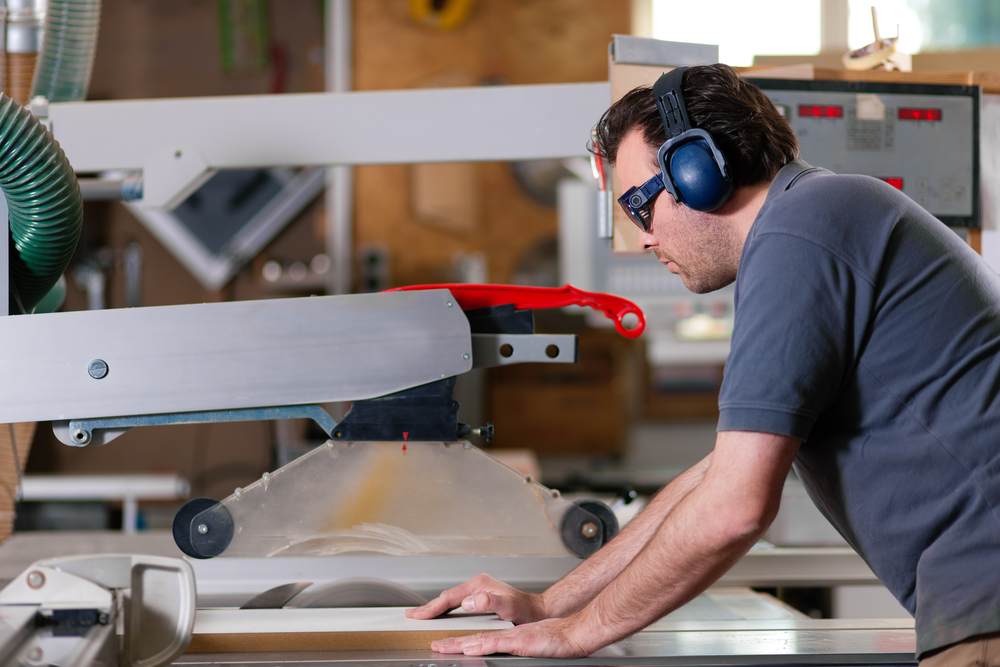
Working an extended time in loud noise can significantly impact your hearing, especially when sound volume surpasses safe limits. It is essential to shield your ears, not just to prevent hearing damage, but also to help you pay attention in loud surroundings. The question then is, how do you determine the best level of protection needed for your specific requirements?
The necessity of knowing noise levels and outcomes
When evaluating the effect of noise, the length of exposure is as significant as the sound’s volume. The key measurement for assessing noise levels is decibels, a unit used to express sound loudness. When sound levels reach 85 dB or higher, they can start to injure your hearing, chiefly with prolonged exposure.
As a frame of context, 85 dB is roughly the same loudness as the sound of city traffic perceived from within a car. While this may not seem overly loud, continuous exposure for eight hours can start to damage your hearing. The safe duration of exposure becomes brief when the sound is more intense:
- Exposure to 90 dB (the sound of a Lawnmower) for more than 4 hours is potentially damaging.
- Restrict your exposure to 100 dB (Power tools) to less than 1 hour.
- 110 dB (Leaf blower): Just 15 minutes of exposure can cause damage.
- 120 dB (Rock concert): Any exposure at this level can damage your hearing.
- Immediate pain and damage are possible at 140 dB (Jet engine).
Recognizing harmful sound volumes
Anyone routinely around noise at 85 dB or higher, hearing protection becomes an essential requirement. The need for protection is amplified in work settings, including factories and construction, or in any location where machinery, equipment, or devices create significant noise.
Even outside of work, there are situations where hearing protection can be advantageous—attending shows, using leaf blowers, or engaging in recreational shooting sports are all pastimes that can expose you to unsafe noise levels.
Using the NRR to choose the best hearing protection
We gauge the effectiveness of hearing protection through its Noise Reduction Rating (the NRR). The rating shows the level of sound reduction, stated in dB, that the protector provides. A more substantial reduction in sound is guaranteed by increased NRR ratings. To give a practical example, a 30 dB NRR on earplugs would lower an 85 dB noise down to 55 dB, which is a sound level well under the dangerous limit.
When deciding on your protection, you should evaluate the actual noise intensity you are exposed to and ensure the device offers the required reduction to keep the sound below 85 dB.
Comfort is paramount for sustained use of protection
The NRR is undoubtedly significant, but comfort is an equally significant component in achieving continuous, sustained use. If hearing protection feels uncomfortable or awkward, you may be inclined to remove it—leaving your ears vulnerable to hazardous noise.
When the protection is comfortable, it promotes continuous use and reduces the danger associated with removing it occasionally. Consider if, for example, your earmuffs are too cumbersome or uncomfortable, you could remove them now and then, leaving your ears exposed to harmful noise.
Different choices of hearing protection to choose from
There are a few different varieties of hearing protection, and each has its own benefits and disadvantages:
- Foam Earplugs are worn in the ear canal and deliver excellent protection; they are disposable and light, but not everyone finds them comfortable.
- Being reusable and resting just outside the ear canal, Pre-Molded Earplugs are a more sustainable choice and are also easier to insert and remove than foam earplugs.
- Earmuffs, which cover the entire ear, are well-suited for environments with changing noise levels due to how easy they are to take on and off, but they can be heavy or hot during prolonged use.
Choosing the best type is based on your comfort and the requirements of your environment. By way of illustration, a construction worker might select earmuffs for their simplicity, while someone working in a factory may opt for earplugs for uninterrupted use.
The importance of constant protection
To ensure maximum efficacy, you must choose the hearing protection you will wear all the time. Removing the protection for even a few minutes can lead to lasting harm to your hearing. For this purpose, finding a solution that balances protection, comfort, and convenience is vital.
Protect your hearing for the coming years
Noise is an ever-present factor in our lives, but with the appropriate hearing protection, you can safeguard your ears while still managing to enjoy the sounds surrounding you.
To discuss the best methods for safeguarding your hearing health and evaluating your risk for noise-related hearing damage, please contact us now.