
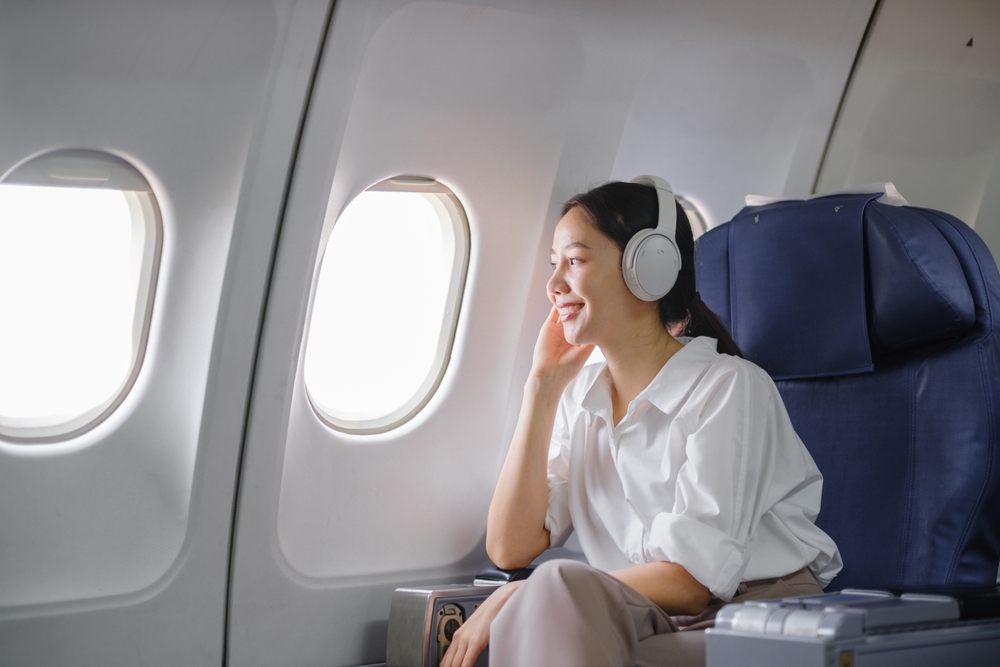
If you cope with tinnitus, boarding a plane might bring more than just enthusiasm about your destination– it may also come with concerns about intensifying ear symptoms. The loud cabin noise, shifting air pressure, and stress associated with air travel can all contribute to more extreme or irritating tinnitus. Fortunately, recognizing how flying affects your ears and discovering ways to prepare can make your next journey far more manageable.
What causes tinnitus to worsen in high-elevation environments?
Tinnitus is the experience of hearing sound when there is no actual outside sound present. For some, it presents as a relentless ringing, while other people might hear buzzing, clicking, whooshing, or static-like noise.
Tinnitus is often a warning sign of a deeper health problem or hidden condition, including:
- Hearing Loss: Traumatic head injuries or extended exposure to extreme noise levels can damage the delicate structures of the inner ear.
- Ear Infections or Blockages: Fluid accumulation and infections can trigger or exacerbate tinnitus.
- Some medications can be ototoxic to the inner ear, triggering or worsening hearing and balance issues.
- Benign Tumors: Growths like acoustic neuromas might affect hearing and balance.
Tinnitus can be perceived in two ways: as a personal experience that only the person can hear, or as a sound that can be recognized by a medical professional using specialized listening equipment. Air travel can worsen symptoms for some individuals, resulting in a more distressing experience during flights.
Exploring the link between airplane ear and tinnitus
The term “airplane ear” describes the feeling of ears being full, under pressure, or experiencing dulled hearing when flying. The issue occurs when the eustachian tubes, in charge of maintaining ear pressure, have trouble adjusting to going up or down. Insufficient opening of these tubes may cause pressure imbalances to arise, resulting in discomfort or pain.
Individuals experiencing tinnitus might find that this pressure discrepancy worsens their existing symptoms or triggers new ones. The added stress and sensory overload of a flight only magnify the problem.
How air travel can worsen tinnitus symptoms
A number of elements of air travel may worsen tinnitus:
- Jet Engine Noise: High decibel levels inside the cabin, especially near the engines, can intensify sensitivity in the ears and worsen tinnitus.
- Pressure Alterations: During takeoff and landing, the quick shifts in cabin pressure can impact how the eardrum and surrounding structures vibrate, which might activate or heighten tinnitus.
- Travel-related anxiety, combined with inadequate rest or insufficient hydration, can exacerbate the experience of tinnitus, making it seem more obvious and troublesome.
Travel tips for decreasing tinnitus discomfort mid-flight
Taking a few basic actions can go a long way toward easing the strain on your ears during air travel:
- Use Noise-Canceling Headphones: These can considerably reduce background engine noise, especially during takeoff and landing. They also allow you to listen to soothing music or white noise, which can mask tinnitus.
- Choose Your Seat Carefully: If you can, pick a seat in the front of the aircraft, away from the engines. This location tends to be quieter and more conducive to a peaceful flight.
- Steer Clear of Standard Earplugs: These types of earplugs can potentially intensify the problem by putting additional pressure on the inner ear, aggravating existing symptoms. As an alternative, try ear pressure-regulating earplugs designed specifically for air travel.
- Chew Gum or Swallow Frequently: These actions help keep the eustachian tubes open up, allowing pressure to equalize more efficiently.
- Use a Decongestant (If Approved by Your Doctor): If you’re battling nasal congestion or allergies, consider taking an oral or nasal decongestant before flying to avoid blockages in the eustachian tubes.
- Stay Awake during Takeoff and Landing: Being awake helps your body naturally manage pressure. Sleeping during these moments can decrease the probability of active pressure equalization.
Strategies for remaining relaxed and entertained during a flight
Refocusing one’s attention can be a highly effective approach for dealing with tinnitus. Consider diverting your attention with engaging distractions such as audiobooks, calming music, or brain teasers to shift your attention away. Meditation apps and breathing exercises can also help alleviate flight-related stress and reduce your awareness of tinnitus.
Prior to your journey, be sure to rest well and stay hydrated. Avoiding caffeine or alcohol on travel day can also reduce ear-related symptoms. If you rely on hearing aids, consider using them during your flight – they can help restore a more natural hearing experience and potentially decrease the impact of any internal ringing or buzzing sounds.
Talk with a professional if tinnitus impacts your ability to travel
If you regularly experience discomfort while flying because of tinnitus, it is recommended to seek advice from a specialist in hearing health. A thorough evaluation can identify the root cause of your tinnitus and result in targeted advice– including custom travel solutions or treatment options to manage flare-ups more effectively.
Arrange a consultation to assess your ringing in the ears symptoms now.